Exterior Painting in Denver: How Often Should You Repaint Siding, Stucco, or Brick?
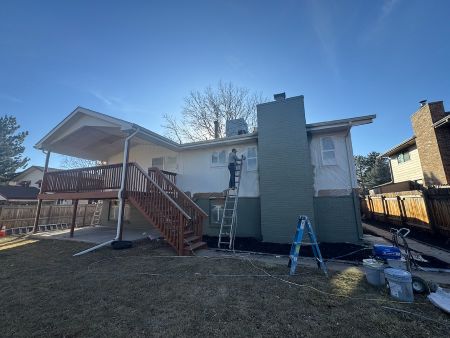
If you live along the Front Range, you already know the weather can be tough on a home’s finish. High UV at 5,280 feet, fast temperature swings, and spring storms all shorten paint life. That is why homeowners search for exterior painting in Denver timelines that are realistic for our climate. This guide explains how often to repaint different materials, the best season to schedule work, and the warning signs your home is ready for a fresh coat.
When you want a finish that stands up to Denver’s sun and snow, partner with a pro. Explore our exterior painting options to protect your home and refresh curb appeal the right way.
Why Paint Cycles Are Shorter in Denver
Paint lasts by staying flexible, shielding from UV, and keeping moisture out. At altitude, UV rays are more intense, which breaks down pigments and binders faster. Denver’s dry air and big day-to-night swings stress coatings, especially on south and west faces in neighborhoods like Wash Park, Park Hill, Central Park, and the Highlands. Add in snowmelt freeze-thaw cycles and the occasional hail, and you get extra wear that can trim years off a coating’s life compared to milder climates.
Color also matters. Darker colors heat up in the afternoon sun and can fade sooner. Lighter neutrals often run cooler and hold their shade longer.
How Often To Repaint by Material in Denver
Every home is different. Exposure, color choice, the last coating used, and the quality of prep all play big roles. These ranges reflect what we see around Denver and nearby suburbs.
Wood or Engineered Wood Siding: About 4–7 Years
Wood moves with temperature and humidity changes, so coatings flex and age more quickly. South and west walls near Sloan’s Lake or Green Valley Ranch may lean closer to four years, while shaded north walls can stretch longer. If you notice cupping boards or failing caulk lines, do not wait. Exposed wood can absorb water and lead to bigger repairs.
Fiber Cement (e.g., James Hardie): About 8–12 Years
Fiber cement is stable and holds paint well. With quality acrylic paint, lighter colors, and good caulk, many Denver homes reach a decade before needing full repainting. Trim and fascia may still need touch-ups sooner due to sharper edges and more sunlight.
Stucco: About 6–10 Years
Stucco can develop hairline cracks that invite moisture. High-build or elastomeric coatings help bridge small cracking and handle expansion and contraction. Homes in wind-exposed areas or at higher elevations on the west side may need repainting a bit sooner.
Brick (Already Painted): About 8–15 Years
If your brick has been painted, the next repaint often lasts a long time with the right breathable coating. Painted masonry should be evaluated for moisture movement, efflorescence, and past coating type before the next application. Painting uncoated, historic, or soft brick without a pro’s evaluation can trap moisture.
Trim, Fascia, and Doors: About 3–5 Years
Edges, corners, and high-touch areas wear fastest. Fascia facing west and front doors with dark colors can show early fading or microcracking. Plan on a shorter cycle than your main siding.
Clear Signs It’s Time To Repaint
Do not go by the calendar alone. Watch for signs that a coating is past its prime, especially after a harsh winter or an active hail season.
- Fading or chalky color that rubs off on your hand
- Hairline cracking on stucco or along trim joints
- Peeling, flaking, or blistering, especially on sunny sides
- Gaps or split caulk at windows, doors, and siding seams
- Dark streaks under eaves or near gutters that point to moisture
When multiple areas show failure, a full repaint protects your home’s envelope and restores a clean, even look across elevations.
Best Season To Paint in Denver
Most exterior projects land between late spring and early fall. Daytime warmth, stable temperatures, and lower chances of overnight frost help coatings cure well. In Denver, crews often target May through September, with shoulder-season windows in April and October when daytime highs and overnight lows meet product guidelines. Many premium acrylics now cure at lower temperatures, but mornings tend to be safer starts because summer afternoons may bring a fast thunderstorm.
Humidity is usually low here, which speeds dry times. That can be helpful, but fast drying in direct sun can also stress a fresh coat. A good plan sequences the sunny sides early in the day and saves shaded elevations for midafternoon to balance cure times.
Stucco vs. Brick: What Affects Paint Longevity
While both are masonry, they behave differently under paint in Denver’s climate:
- Stucco breathes and moves with hairline cracking. Flexible, high-build coatings help bridge small cracks and resist wind-driven moisture.
- Painted brick needs permeable systems that allow vapor to pass. If moisture gets trapped behind a non-breathable film, freeze-thaw can cause spalling or blistering on sunny exposures.
Both materials benefit from consistent thickness, careful attention to parapets and horizontal transitions, and maintenance of sealants at windows and penetrations. Ignoring open joints around stucco or masonry lets water in and shortens any coating’s life.
Color, Sheen, and Coating Choices That Last at Altitude
Small decisions add up to years of extra life in the Mile High City. Consider these principles when you plan with your contractor:
Choose lighter, UV-stable colors. Dark siding absorbs more heat and fades faster, especially on west-facing walls. Warmer neutrals and earth tones often look fresh longer in Denver’s light.
Match sheen to the surface. A satin or low-sheen finish on siding looks clean and hides minor texture. Semi-gloss on trim and doors sheds water and dirt better and resists scuffs. Masonry and stucco usually perform best with premium flat or low-sheen elastomeric or acrylic designed for breathability and crack resistance.
Ask about low-temp formulations. Some modern acrylics allow safe application when overnight lows drop, which can extend your season on stable, dry weeks in spring or fall.
Maintenance Habits That Extend Your Paint Life
Simple, pro-performed upkeep keeps small issues from turning into repaint needs years too soon. Aim for a quick seasonal check after winter and again before fall weather kicks in:
- Inspect south and west elevations for early fading or hairline cracks
- Make sure gutters and downspouts move water away from siding and stucco
- Address failed caulk lines around windows, doors, and trim before water intrudes
- Trim back shrubs touching the house to allow air movement and deter moisture
When a Repaint Is Urgent
Some conditions call for prompt action to protect your home’s envelope. Significant peeling, blistering, or areas where primer shows through mean the coating is no longer keeping moisture out. If wood is bare or stucco hairline cracks are growing, schedule an assessment. In hail-prone areas or the foothill edges, fresh impact damage deserves a quick look so water does not get behind the surface.
If you are seeing several of these issues, take the next step with professional exterior painting in Denver to stop deterioration and restore protection before freeze-thaw returns.
How Often Should You Plan Your Repaint in Denver?
Use these planning ranges as a rule of thumb, then tailor to your home’s exposure and past coatings:
Wood or engineered wood every 4–7 years, fiber cement every 8–12, stucco every 6–10, painted brick every 8–15, and trim every 3–5. South and west faces in sunnier spots like Central Park or Barnum usually need attention earlier than sheltered north walls. When in doubt, a quick professional inspection can spot early failure you might miss from the ground.
Working With LP Construction Services in the Mile High City
From Park Hill bungalows to new builds in the Highlands, LP Construction Services scopes each project around Denver’s sun, elevation, and weather windows. We help you pick coatings that match your material and color goals, sequence work to avoid afternoon storms, and detail the edges and joints where longevity is won. If you are also updating inside while crews are on site, we can coordinate finishes to keep your schedule tight with interior painting that complements your new exterior palette.
Need guidance now? Call 720-508-0696 to talk with a project lead. You can also start at our home base for exterior painting in Denver resources and ideas that fit your neighborhood and style.
Ready To Protect Your Home and Refresh Curb Appeal?
Denver’s climate is unique, and your paint plan should be too. If your siding, stucco, or brick is showing the signs above, schedule a visit with LP Construction Services. We will assess your elevations, recommend coatings that stand up to altitude, and map a timeline that fits your calendar and the weather. When it is time to move forward, book your project with our proven exterior painting team or reach us directly at 720-508-0696.
Let's Bring Your Dream Home to Life! Contact Our Remodeling Contractors In Denver Today!