Water Damage Restoration in Denver: What to Do in the First 24 Hours
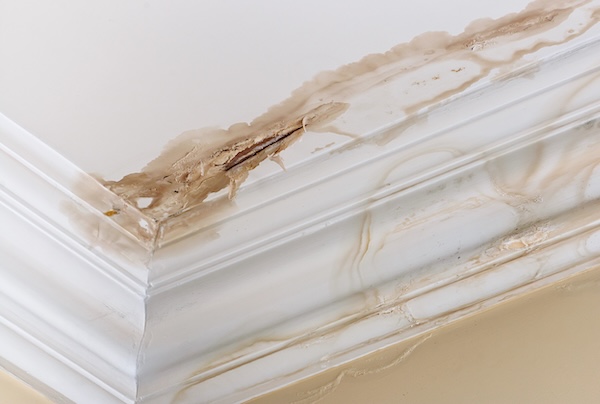
When water finds its way into your home, the clock starts. In Denver’s dry-but-changeable climate, materials can look fine on the surface yet hide moisture that leads to mold within 24 to 48 hours. If your home has been affected, start by contacting a licensed team for water damage restoration in Denver so mitigation can begin quickly and safely.
Why the First 24 Hours Matter in Denver, CO
Those first hours shape the entire recovery. Elevated moisture weakens drywall, swells wood floors, and feeds mold. Our region’s freeze-thaw swings and sudden spring storms around the Front Range add stress to structures, especially in older homes from Capitol Hill to Berkeley and Park Hill. Even when Denver’s air feels dry, moisture trapped in wall cavities, subfloors, or basements lingers without professional drying.
Speed also matters for your insurance claim. Carriers want clear, timely documentation that shows the extent and source of the loss. Acting quickly helps protect both your home and your claim file.
Your First Calls and How to Coordinate
Safety comes first, then coordination. Start with two contacts: a trusted restoration contractor and your insurance company. Call LP Construction Services at 720-508-0696 to schedule a professional assessment. Ask your insurer to open a claim, assign a claim number, and confirm how they want damage documented before any materials are removed.
If you live in a condo or townhome, notify the HOA or property manager. Shared walls and common plumbing can spread moisture to neighboring units. For rentals, contact the landlord immediately and keep communication in writing.
Safety First: What to Avoid Until Pros Arrive
Water changes the rules inside a home. It can hide behind paint, saturate insulation, and compromise floors. Treat any impacted space as a hazard zone until a professional says it is safe to enter.
- Do not enter rooms with a sagging ceiling or any visible bulge. That can signal pooled water overhead.
- Avoid areas where outlets, power strips, or appliances were exposed to water. Electricity and water are a dangerous mix.
- Keep children and pets out of affected rooms to reduce exposure and prevent tracking moisture into dry areas.
- Do not run your HVAC if ducts or returns may be wet. Moving air through a wet system can spread contaminants.
It is also smart to keep foot traffic to a minimum. Every step can push moisture deeper into subfloors and padding, which can raise the scope of repairs.
Insurance Steps That Speed Up Approvals
Insurance is simpler when you provide clear facts. Adjusters want an accurate timeline, evidence of the source, and a record of damages. Create a simple folder or phone album for this event and add to it as you go.
- Policy number and your carrier’s claim contact information
- Date and approximate time of discovery, plus weather notes if relevant
- Photos or short videos of each affected room and itemized notes on damaged contents
- Receipts for emergency services, short-term lodging, and protective supplies
Coverage varies by policy. Many policies address sudden, accidental events like a burst supply line, while long-term seepage or outside floodwater may be excluded or require separate coverage. Ask your adjuster what documentation they need and whether they prefer your contractor to meet them on-site.
For a quick reference to the pros and the process behind water damage restoration Denver homeowners trust, visit our home page. It outlines the specialized equipment and steps a professional team uses to stabilize a property.
How Professionals Stabilize a Denver Home in Day One
In the first 24 hours, the goal is to stop deterioration and set the stage for full restoration. Here is what a trained crew typically handles during that window:
1) Assessment and Moisture Mapping
Technicians take moisture readings and map the wet footprint. This reveals where water traveled, including behind baseboards or into lower wall sections. Moisture meters and thermal imaging help tell the full story without guesswork.
2) Health and Safety Controls
Crews identify hazards, set containment if needed, and follow cleaning protocols based on the category of water. This is especially important if water may have picked up contaminants from building materials or soils common in older Denver basements.
3) Targeted Removal of Unsalvageable Materials
Porous materials that cannot be effectively dried or sanitized are removed with your insurer’s approval. Cutting lower drywall sections, lifting certain flooring types, and removing wet insulation can speed drying and reduce the risk of microbial growth.
4) Professional Drying and Dehumidification
Industrial dehumidifiers and air movers are placed in a layout engineered for your home’s airflow and structure. Equipment runs continuously and is monitored so moisture levels return to normal quickly and safely. Placement and run time depend on the materials involved and the microclimate of your space.
After mitigation, precise wall and ceiling repairs restore a seamless finish. If your project requires it, our team coordinates texture matching and paint touch-ups, including expert drywall repair so the final space looks like nothing ever happened.
Preventing Mold After a Leak in Our Climate
Denver’s dry air can help surfaces feel better fast, but hidden moisture is the real risk. Mold does not need standing water. It needs elevated humidity and time. That is why professional drying, monitoring, and documentation are so important in the first two days.
Watch for early signs while your mitigation is underway:
- Musty or earthy odors that linger after rooms “look” dry
- Stains that spread or darken across drywall seams
- Paint that bubbles, peels, or cracks as moisture tries to escape
Never paint over water stains or apply sealers to “hide” marks. That traps moisture and can void future finish warranties. Your restoration team will confirm when materials are dry and ready for repairs and repainting.
A Local Game Plan by Neighborhood and Season
Homes in Washington Park, Congress Park, and Capitol Hill often have older plumbing and porous masonry. After a winter cold snap or a surprise March snow, thawing can funnel moisture toward basements. In newer neighborhoods like Central Park or Green Valley Ranch, long pipe runs and upstairs laundries can spread water across multiple floors before it is discovered.
Summer monsoon bursts can overwhelm window wells and low entries in areas near the South Platte or along sloped lots. In fall, leaves can clog exterior drains and push water against foundations. A professional response accounts for these local patterns and sets equipment accordingly to dry the building quickly and thoroughly.
What You Can Expect From Your Restoration Team
Clear communication reduces stress. You should receive a written scope that explains what will be removed, what will be dried in place, and how daily monitoring works. Technicians will return to record moisture levels and adjust equipment. The documentation they collect supports your insurance claim and signals when repairs can begin.
On many Denver projects, day-one stabilization is followed by controlled demolition of only what is necessary, then structural drying, then rebuild. Rebuild might include baseboard replacement, texture matching, and coordinated painting. When the time is right, your crew will confirm surface readiness for finishing so results look consistent room to room.
Common Questions to Clarify With Your Insurer
Every policy is different, yet some topics come up often in the Denver metro area:
Open a claim within the first day so adjusters can guide documentation. Ask whether they require on-site photos before materials are removed. Confirm if they prefer your restoration contractor to attend the inspection. Also ask about contents coverage, depreciation rules for flooring, and whether temporary lodging is available if bedrooms or key bathrooms are impacted.
Finally, make sure you understand the difference between sudden-and-accidental water events and outside flooding, which usually requires separate coverage. Your adjuster can explain what applies in your situation.
Protecting Resale Value After Water Damage
Future buyers and inspectors will look for clean, well-documented repairs. Keep your claim notes, moisture logs, and photos. Ask your contractor for a final summary that lists materials replaced and confirms that affected areas reached normal moisture levels. If walls were opened, request photos before they were closed so you have a permanent record.
If color matching is part of the plan, schedule touch-ups when humidity is normal. This helps finishes cure properly in Denver’s climate and prevents flashing or sheen differences later. Quality results come from following a clear sequence and using the right materials for our high-altitude conditions.
Need Help Now?
If water has reached your floors, walls, or basement, a fast, coordinated response is your best defense against long-term damage. Schedule professional water damage restoration with LP Construction Services and let a trained team handle assessment, safety, drying, and documentation from the start. Call us at 720-508-0696 and we will get you on the schedule today.
When your home is dry and stable, our crews complete seamless repairs that blend with existing finishes for a like-new result. From mitigation to rebuild, you are supported at every step by a local team that understands Denver homes and seasons.
Ready to protect your property and peace of mind? Reach out now and take the first step toward a full recovery.
Let's Bring Your Dream Home to Life! Contact Our Remodeling Contractors In Denver Today!